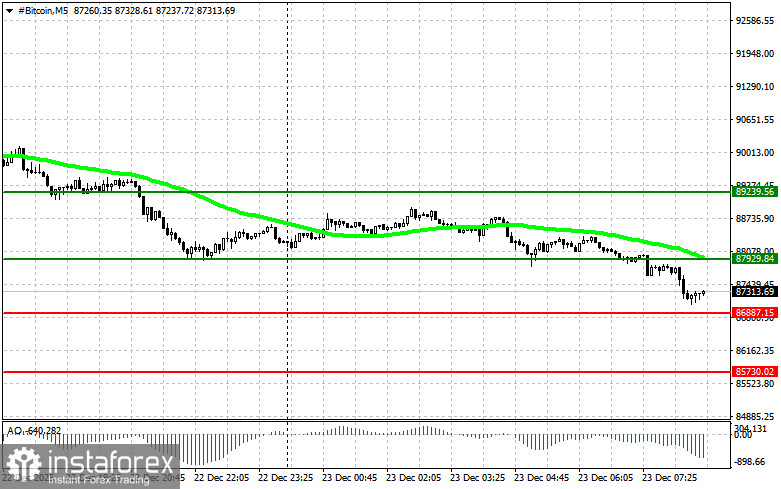
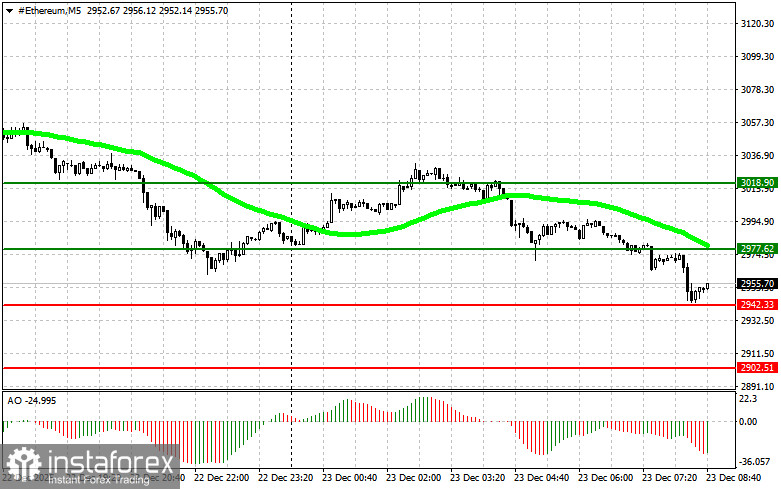
Bitcoin has failed to hold the $90,000 level and has fallen back to around $87,000, while trading within a sideways channel. Ethereum has also dropped below $3,000, reducing its near-term upside prospects.
Meanwhile, the struggling company Strategy, led by Michael Saylor, which has attracted significant attention, did not purchase BTC for the first time in a long while last week. However, it increased its reserves by $748 million, bringing them to $2.19 billion and 671,268 BTC. This suggests that the company is preparing for another major market downturn and is setting aside a buffer for such an event.
The increase in reserves signifies a strategic approach to risk management amid the volatility of the cryptocurrency market. While other companies may adopt a more aggressive buying strategy, Strategy has chosen to remain flexible and maintain sufficient funds for maneuvering in unfavorable market scenarios. It is interesting to note that the company may not only be anticipating a short-term price decline but also a longer period of instability known as "crypto winter". The increase in reserves can be interpreted as preparation for an extended period of reduced market activity, during which prices fluctuate within a wide range.
Strategy's actions also serve as a signal to other market participants. They demonstrate that even the most fervent supporters of cryptocurrencies acknowledge the need for risk management and are preparing for potential negative scenarios. This could affect market sentiment and lead to a more cautious approach to cryptocurrency investments.
As for the intra-day strategy in the cryptocurrency market, I will continue to act on major dips in Bitcoin and Ethereum, with the expectation of sustained long-term bullish market conditions, which have not disappeared.
For short-term trading, the strategy and conditions are outlined below.
Bitcoin
Buy Scenario
Scenario #1: I will buy Bitcoin today upon reaching the entry point around $87,900, with a target of growth to $89,300. I will exit my positions around $89,300 and sell immediately on a bounce. Before buying on the breakout, make sure the 50-day moving average is below the current price, and the Awesome Oscillator is above zero.
Scenario #2: I can buy Bitcoin from the lower boundary of $86,800 if there is no market reaction to its breakout back towards levels of $87,900 and $89,300.
Sell Scenario
Scenario #1: I will sell Bitcoin today upon reaching the entry point around $86,800, with a target to decline to $85,700. I will exit my sales around $85,700 and buy immediately on a bounce. Before selling on the breakout, make sure the 50-day moving average is above the current price, and the Awesome Oscillator is below zero.
Scenario #2: I can sell Bitcoin from the upper boundary of $87,900 if there is no market reaction to its breakout back towards levels of $86,800 and $85,700.
Ethereum
Buy Scenario
Scenario #1: I will buy Ethereum today upon reaching the entry point around $2,977, with a target for growth to $3,018. I will exit my positions around $3,018 and sell immediately on a bounce. Before buying on a breakout, make sure the 50-day moving average is below the current price and the Awesome Oscillator is above zero.
Scenario #2: I can buy Ethereum from the lower boundary of $2,942 if there is no market reaction to its breakout back towards levels of $2,977 and $3,018.
Sell Scenario
Scenario #1: I will sell Ethereum today upon reaching the entry point around $2,942, with a target for a decline to $2,902. I will exit my sales around $2,902 and buy immediately on a bounce. Before selling on a breakout, make sure the 50-day moving average is above the current price and the Awesome Oscillator is below zero.
Scenario #2: I can sell Ethereum from the upper boundary of $2,977 if there is no market reaction to its breakout back towards levels of $2,942 and $2,902.
You have already liked this post today
*El análisis de mercado publicado aquí tiene la finalidad de incrementar su conocimiento, más no darle instrucciones para realizar una operación.



 23.12.2025 09:02 AM