
यह भी देखें


 16.04.2026 12:38 PM
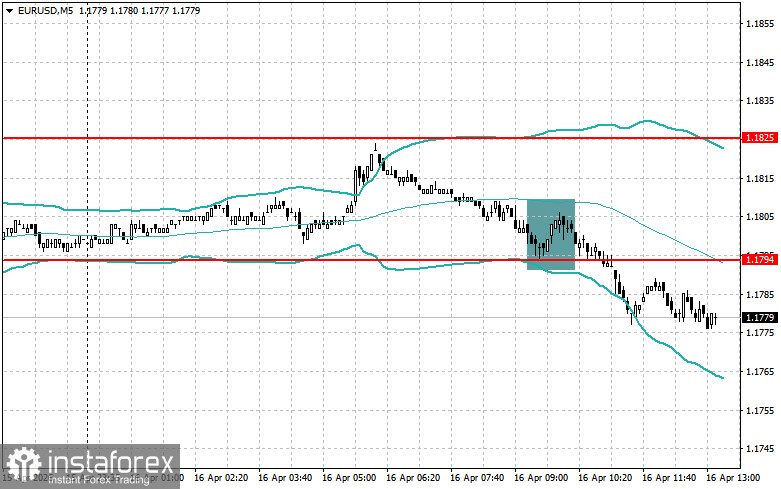
Today, only the euro was traded using the Mean Reversion strategy, but no strong reversals occurred. Using the Momentum strategy, I traded the pound and the Australian dollar.
Despite the fact that the Eurozone's Consumer Price Index rose to 2.6% year-over-year in March, the euro declined against the US dollar in the absence of positive news from the Middle East. This came as something of a surprise to many market participants, who had expected more confident performance from the European currency on the back of the inflation data.
The British pound also surprisingly ignored strong UK GDP data, indicating a complete lack of enthusiasm among buyers of risk assets, who were apparently expecting more positive progress in resolving the US-Iran conflict.
Ahead, we have a packed block of US macroeconomic data, which will provide a detailed overview of the state of the American economy. The data release sequence will begin with initial jobless claims, a weekly indicator that is one of the most timely measures of labor market conditions. A decline in claims typically signals a strengthening labor market and falling unemployment, while an increase may indicate the opposite.
Next, attention will turn to the Philadelphia Fed Manufacturing Index. This index reflects business activity in the manufacturing sector of one of the key industrial regions in the US and serves as an important barometer of manufacturing conditions. At the same time, data on US industrial production will be released, providing insight into the dynamics of output in the manufacturing sector—one of the key indicators of the overall health of the economy.
In addition to the data, one of the key events will be a speech by FOMC member John Williams. Given his significant role in shaping Federal Reserve monetary policy, his comments on the current economic situation, inflation expectations, and the outlook for interest rates will be closely analyzed.
If the data is strong, I will rely on the Momentum strategy. If the market does not react to the data, I will continue using the Mean Reversion strategy.
Momentum Strategy (Breakout) for the Second Half of the Day
For EUR/USD:
For GBP/USD:
For USD/JPY:
Mean Reversion Strategy (Pullback) for the Second Half of the Day
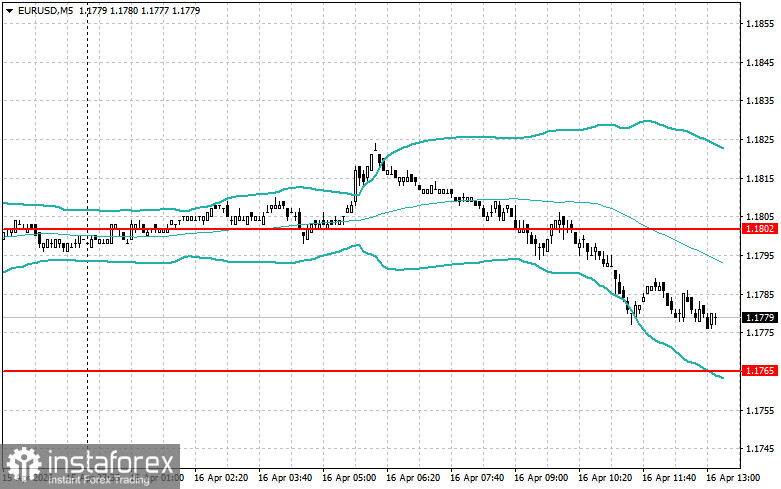
For EUR/USD:
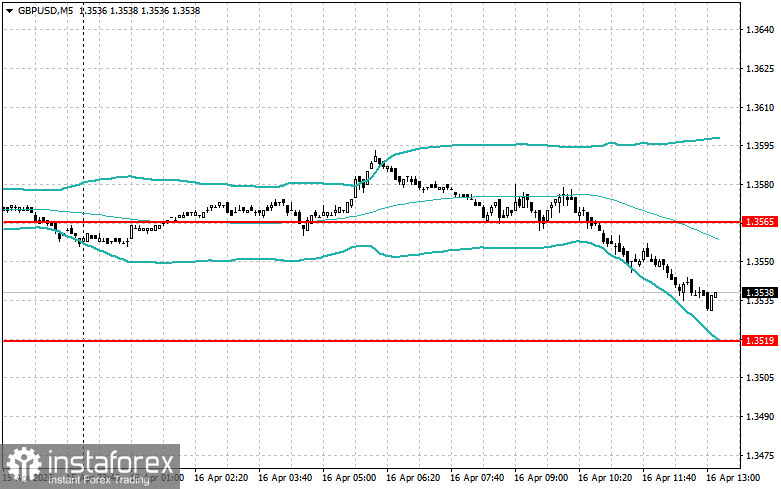
For GBP/USD:
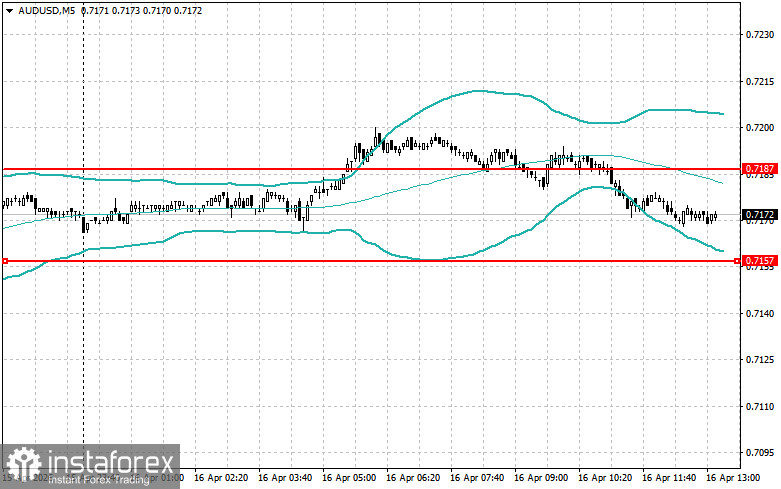
For AUD/USD:
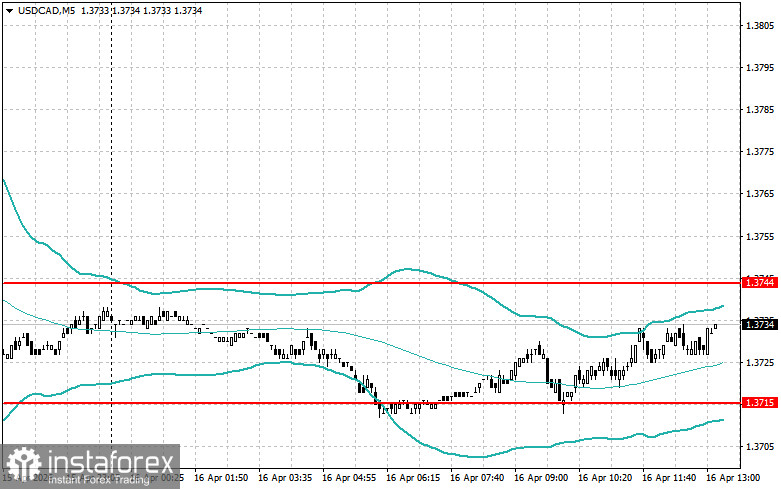
For USD/CAD:

