See also


 20.04.2026 08:48 AM
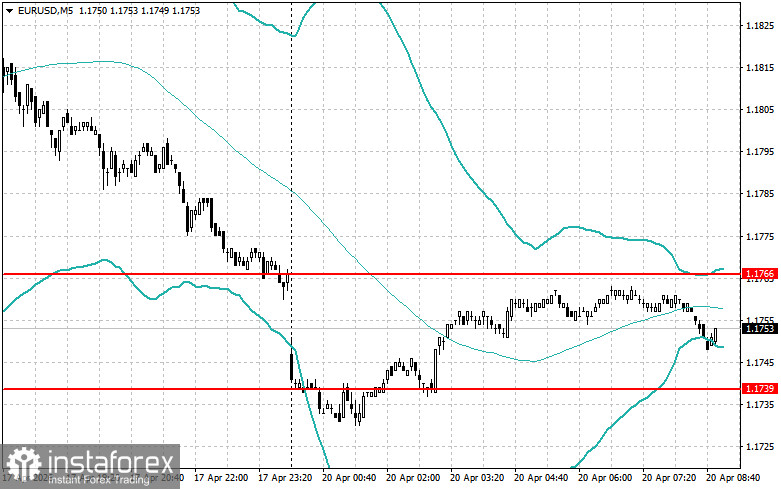
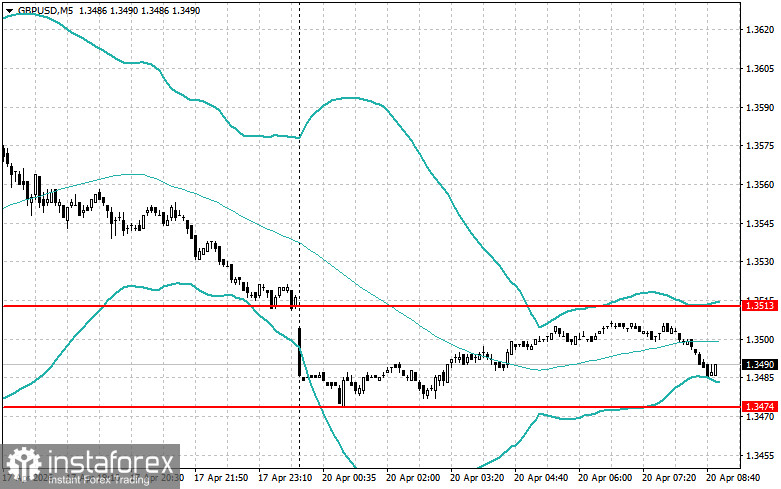
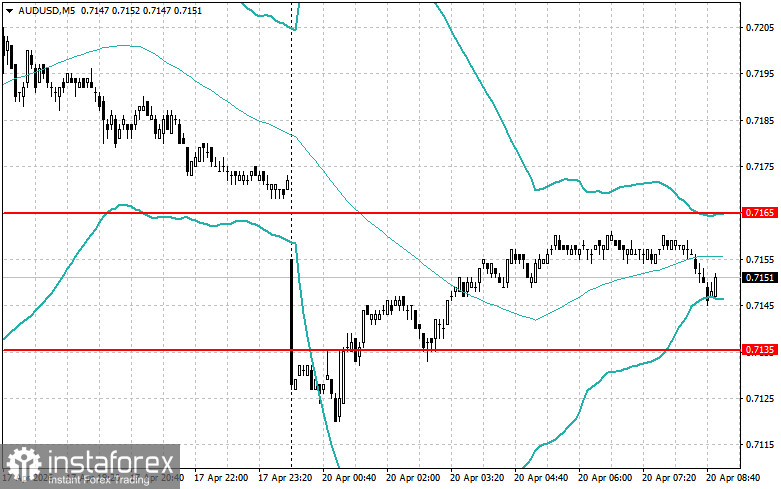
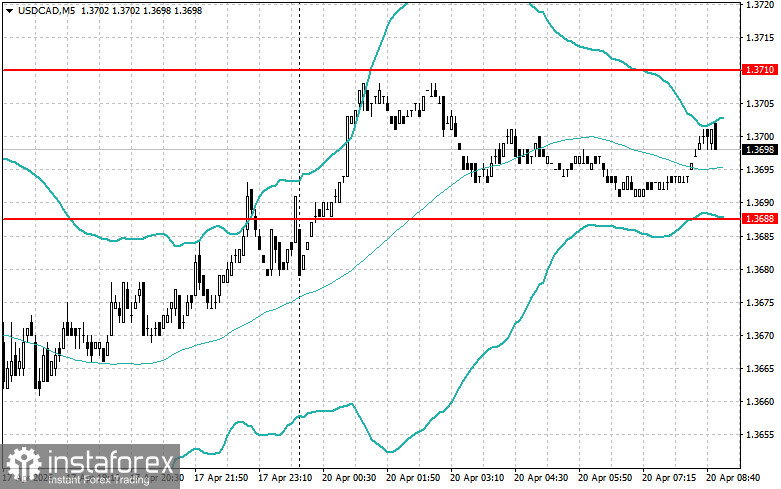
The euro, pound, and other risk assets sharply declined against the US dollar as the geopolitical situation deteriorated again. The dollar surged after American forces attacked an Iranian trading vessel in the Persian Gulf. This incident, occurring on one of the key maritime trade routes, immediately impacted financial markets, triggering uncertainty and concerns about a further escalation of tensions. The geopolitical risks associated with the conflict in the Middle East are now a significant factor determining the direction of the currency market. The attack on the Iranian vessel is perceived as a direct challenge to the recent stability in the region, leading to renewed demand for the dollar and its subsequent rise.
The failed peace negotiations further exacerbate the situation. Their potential cancellation signals a continuation of the stalemate in diplomatic relations between Washington and Tehran, increasing the likelihood of further provocations and retaliations.
Today, the first half of the day will be marked by the release of important economic data from Germany, which may influence the euro's dynamics. Attention will focus on the producer price index, one of the key indicators of inflationary pressure in the economy. Economists expect producer prices to slow, reflecting trends toward stabilization in commodity and material costs on global markets. However, surprises are also possible, which could either strengthen or weaken the euro.
Additionally, a speech by European Central Bank President Christine Lagarde is expected today. Her remarks are generally closely analyzed by investors and economists for signals regarding the ECB's future monetary policy. However, Lagarde has made many statements over the past week, so it is unlikely that we will hear anything particularly new from her today.
As for the pound, the absence of significant data from the UK at this time raises the likelihood of further declines. The lack of important economic news from London will force market participants to focus on global events and overall market sentiment. In the absence of fresh information capable of supporting the British currency, its weakening may intensify, especially if traders opt for safer assets.
If the data align with economists' expectations, it is better to act based on the Mean Reversion strategy. If the data is significantly above or below economists' expectations, the best approach would be to employ the Momentum strategy.